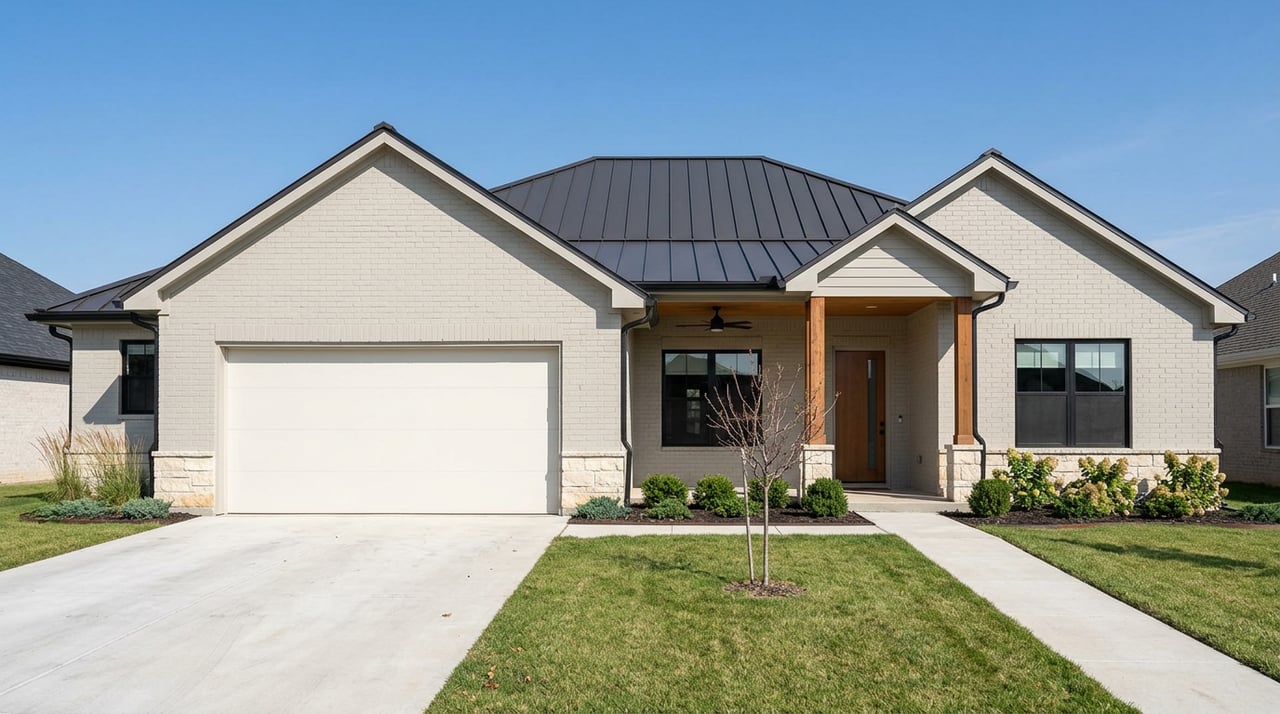
Picture this: you pick the floor plan, watch your walls go up, and walk into a home that fits your life from day one. If you are looking at new construction in Nixa, you are not alone. The city continues to grow, schools draw steady interest, and several neighborhoods have active building. In this guide, you will learn how new construction purchases work in Nixa, what to watch in the contract, how financing and inspections differ from resale, and how to compare subdivisions and builders with confidence. Let’s dive in.
Why Nixa new builds stand out
Nixa is a fast-growing community within the Springfield metro. The city’s latest report shows 26,000-plus residents and ongoing utility and infrastructure projects to support growth, which adds confidence for long-term planning and services you rely on. You can review the city’s snapshot and projects in the 2024 Popular Annual Financial Report.
Schools are a key factor for many buyers. Nixa Public Schools earn consistent recognition in third-party rankings. If schools matter in your search, look at Nixa Public Schools’ placement in Niche rankings and verify attendance zones directly with the district.
On pricing and pace, new construction inventory shifts by season and subdivision. Your best move is to track current availability and incentives with your agent, then compare to similar resale options so you know where you get the most value.
New construction vs resale: key differences
Buying a new build is not the same as buying a resale home. The forms, timelines, deposits, and inspection rights can be very different. In Missouri, many builders use new-home forms that are separate from the standard resale contract. You can review the concept and recent form updates from Missouri REALTORS.
Contracts and deposits
Builders often use a multi-step process: a lot reservation or option deposit, then the purchase or construction contract. Rules for refunds, timelines, and what triggers a non-refundable status vary by builder. Ask for the full deposit schedule and refund conditions in writing, and confirm if deposits are held in escrow.
Contingencies and inspections
Resale contracts usually include broad inspection and financing contingencies. Builder contracts may shorten or limit these. You can and should negotiate time to bring your own inspector at key stages. Put those inspection windows and notice requirements in the contract before you sign.
Allowances, change orders, and price
Most new-home contracts include allowances for items like flooring, lighting, and countertops. If your selections exceed the allowance, the final price goes up through change orders. Learn how pricing works, who must sign, and how long pricing holds before work begins. This clear overview of allowances and change orders can help you plan upgrades and avoid surprises; see this plain-language summary of selection and change-order practices from Riverbend Homes.
Disputes and warranties
Many builder agreements include arbitration or limited remedies. Missouri has seen changes that affect how some consumer remedies apply in new-home sales. It is smart to have the contract and warranty reviewed before you commit. You can read a summary of recent Missouri practice changes on JDSupra. For legal questions, consult a licensed attorney.
How to finance your build
Your loan type depends on the home and the stage of construction. For completed or near-complete spec homes, you can often use a standard conventional mortgage. For to-be-built homes, you may need a construction-to-permanent loan that converts to a regular mortgage when the home is finished.
If you plan to use FHA or VA financing, know that lenders often require specific documentation and new-home warranty coverage. Builders who work regularly with these loans usually have the process dialed in. For an overview of warranty and documentation expectations with government-backed loans, review this guide from PWSC on HUD-related warranty requirements.
Builder incentives tied to a preferred lender can be attractive. Still, compare total costs with at least one outside lender. Sometimes a slightly smaller incentive paired with a lower rate or better fees wins overall.
Inspections, warranties, and timeline
Even a brand-new home benefits from independent eyes. The right inspection plan and warranty understanding can protect your investment and your peace of mind.
Phase inspections to schedule
Plan at least two inspections: pre-drywall and final. A pre-drywall inspection lets you see framing, plumbing, electrical, and HVAC before they are covered. The final inspection helps you confirm punch-list items and safety before closing. Many inspectors also recommend an 11-month inspection so you can document issues while first-year coverage is still active. For a practical overview of new-construction inspection stages, see this resource from StructureTech.
What new-home warranties cover
Many builders or third-party providers follow a common pattern: about 1 year for workmanship and materials, about 2 years for major systems like HVAC, plumbing, and electrical, and up to 10 years for structural coverage. Coverage limits and claims procedures vary, so get the full written warranty before closing and understand deadlines for filing. The FTC’s guide to new-home warranties explains typical terms and how claims work.
How long it usually takes
A completed spec home may be move-in ready within weeks. A to-be-built home typically takes several months, and many single-family builds finish within roughly 6 to 12 months depending on permits, weather, supply chains, and change orders. Always confirm your builder’s schedule in writing.
Compare Nixa subdivisions and builders
Neighborhoods to explore
- Kelby Creek: The city tracks this multi-phase community, including infrastructure and phase status. Check the City of Nixa’s Kelby Creek project page for phase details.
- Forest Heights: A multi-phase community with model and inventory homes by Bussell Building. Ask for current phase maps, features, and pricing.
- Wicklow’s Village of Cloverhill and Irish Hills Estates: Recent and active areas where you can compare lot types, HOA details, and finish levels across builders.
What to compare
- Infrastructure and phase status. Make sure roads, sidewalks, and utilities are complete for your phase. City project pages are a reliable source.
- HOA, covenants, and amenities. Ask for the recorded CC&Rs, current dues, a budget, and clarity on what amenities are delivered versus planned.
- Lot premiums and orientation. Corner, cul-de-sac, walkout, and view lots may carry extra premiums. Get a standard-features list and an itemized upgrade sheet before you budget finishes.
- Builder reputation and track record. Visit completed phases, read independent reviews, and ask for references from recent buyers. Check permitting history with the city if you want more detail.
- Schools, commute, and daily needs. Verify school zoning with the district, and test-drive your commute to Springfield and nearby amenities.
Builder questions checklist
Ask these questions before you sign anything:
- Exactly what is included in the base price? Can I see the standard-features and spec sheet in writing?
- What is the lot premium and why? How do orientation, size, and walkout potential affect it?
- What is the deposit schedule and refund policy at each stage? Is any deposit held in escrow? Please outline in writing.
- What is your change-order process and typical markup on labor or materials, and who must sign before work starts? See an overview of how change orders impact budget and timing in this selection and change-order explainer.
- What warranties are provided, who backs them, and how do I submit a claim? What are the coverage windows and exclusions? The FTC’s new-home warranty guide shows common structures and claims steps.
- Which inspections are allowed at framing or pre-drywall and before closing, and how much notice is required? Learn typical inspection stages in this new-construction inspection overview.
- Will you offer incentives if I use a preferred lender, and do those incentives change if I choose a different lender? Please confirm terms in writing.
- Where will closing occur, and which title company is proposed? Clarify who pays which fees in your contract.
Sample path from lot to move-in
- Reservation and lot hold
- Contract signing and deposits
- Permits and site work
- Framing and pre-drywall inspection window
- Mechanical finishes and final inspection
- Certificate of occupancy, closing, and move-in
- 11-month inspection to catch items before first-year coverage expires
Why buyer representation matters
The person in the model home represents the builder. You deserve your own advocate. A local buyer’s agent can explain builder forms, compare incentives across communities, register you correctly at your first visit, and coordinate inspections and warranty steps. Industry rules around buyer representation and compensation evolved after the 2024–2025 settlement; you can read an overview from CNBC. The takeaway is simple: secure representation early so your interests are protected from the start.
Ready to tour and talk numbers?
When you are building in Nixa, clear planning is everything. You want honest timelines, sharp budgeting around allowances, smart inspections, and a steady hand from contract to keys. If you want a calm, local guide with a strong track record across Southwest Missouri, reach out to Chad Jones to talk neighborhoods, builders, and next steps.
FAQs
What should I know before signing a new-construction contract in Nixa?
- Ask for the full deposit schedule and refund rules, confirm inspection windows in writing, and have an agent or attorney review builder-specific forms, which differ from standard resale agreements.
Do I still need inspections on a brand-new home?
- Yes; schedule at least a pre-drywall and final inspection, and plan an 11-month check so you can submit any warranty claims before year one expires.
How long does a to-be-built home in Nixa usually take?
- Many builds complete in roughly 6 to 12 months, but timing depends on permits, weather, materials, and upgrades, so get the builder’s schedule in writing.
What does a typical new-home warranty cover?
- Many programs offer about 1 year for workmanship, about 2 years for systems, and up to 10 years for structural items, with specific terms and claim deadlines spelled out in the warranty.
Can I use FHA or VA financing on a new build?
- Often yes; lenders may require specific documentation and warranty coverage, so verify your builder’s ability to meet those requirements before you choose a loan type.