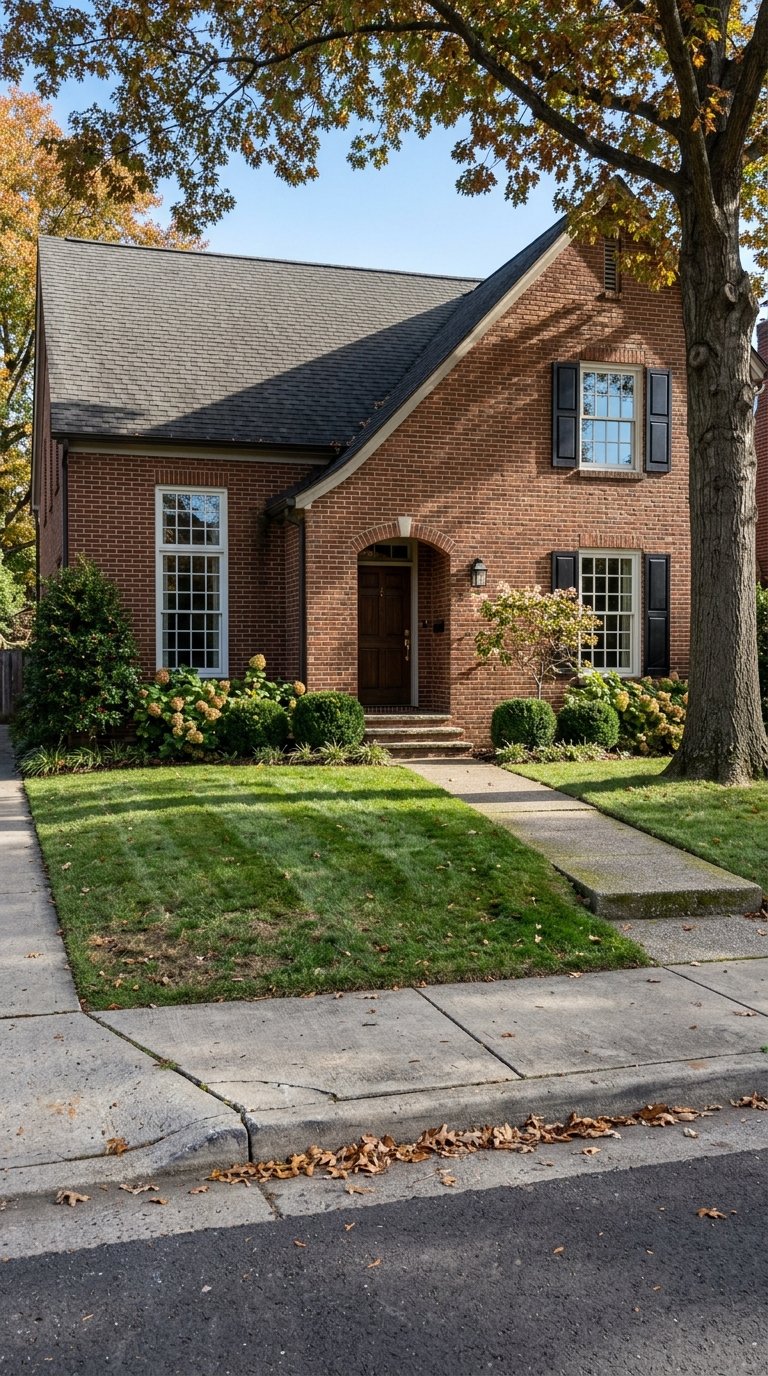
Ever wonder why some parts of Springfield feel different the moment you turn onto the block? In the city’s older neighborhoods, the streetscape often tells the story right away with mature trees, front porches, sidewalks, and a layout that feels more connected than a typical newer subdivision. If you are thinking about buying in one of these areas, or you just want a better sense of what daily life looks like, this guide will walk you through the patterns, routines, and practical tradeoffs that shape everyday living. Let’s dive in.
Where Springfield’s older neighborhoods are
Springfield’s older neighborhoods are largely concentrated in the center city, especially in and around areas that developed before World War II. City planning documents describe these as Springfield’s oldest residential neighborhoods, with traditional grid streets, alleys, tree-lined blocks, and connected sidewalks.
The city’s housing study also notes that older neighborhoods are more concentrated north of downtown, while newer neighborhoods are generally found in the southern half of Springfield. That helps explain why places like Downtown, Commercial Street, Walnut Street, and the Government Plaza/Central Street Corridor often come up when people talk about Springfield’s older housing areas.
In practical terms, these neighborhoods can feel more urban and more connected to nearby businesses than a suburban subdivision. You may notice shorter blocks, less separation between homes and the street, and a layout that makes walking, biking, or riding transit more realistic for some daily errands.
What the homes and blocks feel like
A big part of the appeal is the housing character. Springfield’s housing stock is heavily made up of single-family detached homes, and the city reports that much of it was built before 1980. About 30% of housing units were built before 1940, and another 44% were built between 1950 and 1970.
For you as a buyer, that often means more architectural variety than you might find in a newer neighborhood. You may see older materials, smaller lots, visible front porches, and homes set closer to the sidewalk. The block itself can feel more compact and more active because the street, sidewalk, and front yard all sit closer together.
Springfield’s development analysis also points to small block sizes, alleys for parking access, and a variety of housing types in these older areas. That combination creates a neighborhood pattern that many people find inviting, but it can also mean every block feels a little different from the next.
Expect block-by-block differences
One of the most important things to know is that older Springfield neighborhoods are not all the same. Even when they share the same grid layout and historic feel, practical details can vary a lot by block.
Parking is a good example. Some homes may have alley access, some may have driveways in front, and some may offer more limited off-street parking. Sidewalk continuity can also change from one stretch of street to the next, so it is smart to look closely at the exact area you are considering.
Daily routines often center on nearby places
Older neighborhoods in Springfield are not just about the houses. They are also shaped by what is nearby and easy to fold into an ordinary weekday.
City planning documents describe center city neighborhoods as compact enough that residents should be able to walk, bike, or ride transit for some daily needs. That does not mean every errand will be car-free, but it does help explain why these areas can feel more neighborhood-centered in everyday life.
For many buyers, that lifestyle shows up in simple routines. A walk through the neighborhood, a stop for coffee, a visit to a nearby park, or dinner in a district with local businesses can feel less like a planned outing and more like part of the week.
Coffee and local business access
Downtown Springfield and Commercial Street help shape that rhythm. Downtown is home to long-standing coffee spots like Mudhouse Coffee and The Coffee Ethic on Park Central Square. Commercial Street, about a mile north of downtown, is described in city materials as a revived, pedestrian-friendly commercial area with historic buildings, shops, and restaurants.
That matters because proximity changes how you use a place. When coffee, dining, and small businesses are close by, they can become part of your routine instead of something you only visit once in a while.
Parks play a big role
Green space is another major part of life in Springfield’s older neighborhoods. The Springfield-Greene County Park Board manages 105 park sites, more than 100 miles of recreational trails, and over 70 miles of greenways.
For people living near the center city, that system adds real day-to-day value. It gives you more options for walking, exercise, play, and outdoor time without needing to drive across town.
Phelps Grove Park is one of the clearest examples. The park includes 31 acres with mature trees, a historic pavilion, gardens, a walking and fitness trail, playgrounds, and access to the Fassnight Creek Greenway.
Nearby Fassnight Park adds more historic green space with stone bridges, a historic pool house, and a greenway link connecting to Phelps Grove Park and the Springfield Art Museum. If you are trying to picture everyday life in an older Springfield neighborhood, these kinds of nearby parks are a big part of the answer.
Biking and broader connections
If you like to bike or just want more than one way to get around, Springfield’s growing bike network adds another layer. Ozark Greenways describes The Link as an 8-mile north-south corridor connecting Doling Park to Twin Oaks.
Along the way, it ties together places like Phelps Grove Park, Jordan Valley Park, Missouri State University, Drury University, the Springfield Art Museum, and several bike-aid stations. For residents of older neighborhoods, that expands the practical range of daily life beyond just your immediate block.
Transit and getting around
Public transit is part of the picture too. Springfield’s transit system, The Bus, is operated by City Utilities and has served the city since 1945.
For buyers looking at older neighborhoods, this supports the city’s broader planning goal of making some daily trips possible by transit as well as by car. Whether that matters a lot or just occasionally for your household, it is one more reason these neighborhoods can function differently from areas built around newer suburban patterns.
That said, car use is still part of life for many households. The key difference is that older neighborhoods may offer more transportation options, depending on the exact location.
The tradeoff: charm with more due diligence
Older neighborhoods often draw buyers in quickly because of the character, location, and sense of place. Still, that appeal comes with practical questions you should ask before you buy.
Springfield requires permits for most building-related projects inside city limits. In historic districts, exterior changes can also be governed by design guidelines. That does not mean owning an older home is difficult, but it does mean renovations, additions, and exterior updates usually require more planning.
Maintenance can also be a bigger part of ownership than it would be in a newer subdivision. With older homes, it is wise to take a close look at condition, upkeep, and how much work has already been done versus what may still be ahead.
Questions worth asking early
If you are considering one of Springfield’s older neighborhoods, these are smart questions to raise early in the process:
- How much off-street parking does the property have?
- Is alley access part of the block layout?
- How continuous are the sidewalks nearby?
- Are there historic district rules that affect exterior changes?
- What permits may be needed for planned updates or additions?
These questions are not meant to scare you away. They simply help you match the home and neighborhood to the way you want to live.
Why buyers keep coming back to these areas
For many people, Springfield’s older neighborhoods offer a combination that is hard to replicate elsewhere. You get mature streetscapes, homes with individual character, access to parks and local businesses, and stronger ties to downtown than many suburban areas provide.
You also get a lifestyle that can feel more rooted in the neighborhood itself. Instead of everything happening behind subdivision entrances and along major roads, daily life may happen on sidewalks, near greenways, in local commercial districts, and around long-established parks.
That does not make older neighborhoods the right fit for everyone. But if you value charm, connectivity, and a more established street pattern, they can be some of the most rewarding places to explore in Springfield.
If you want help comparing Springfield neighborhoods, understanding block-by-block differences, or deciding whether an older home fits your goals, Chad Jones can help you make sense of the options with local insight and steady guidance.
FAQs
What are Springfield’s older neighborhoods known for?
- Springfield’s older neighborhoods are generally known for pre-World War II development patterns, grid streets, alleys, tree-lined blocks, connected sidewalks, and older homes with more architectural variety.
Where are older neighborhoods in Springfield, Missouri?
- City planning and housing documents place many of Springfield’s older neighborhoods in the center city, especially around downtown and in areas north of downtown such as Commercial Street, Walnut Street, and nearby historic districts.
What is daily life like in Springfield’s older neighborhoods?
- Daily life often includes easier access to parks, local coffee shops, dining, sidewalks, bike routes, and transit options, depending on the specific block and location.
What should buyers check before buying an older home in Springfield?
- Buyers should look closely at parking, alley access, sidewalk connections, maintenance needs, permit requirements, and whether historic district design guidelines affect exterior changes.
Are Springfield’s older neighborhoods walkable?
- City planning documents describe many center city neighborhoods as connected and compact enough for some daily needs to be reached by walking, biking, or transit, though the experience can vary by block.
Do older Springfield homes require more upkeep?
- Older homes can involve more maintenance and more renovation planning than newer subdivisions, especially when permits or historic district guidelines apply to exterior work.