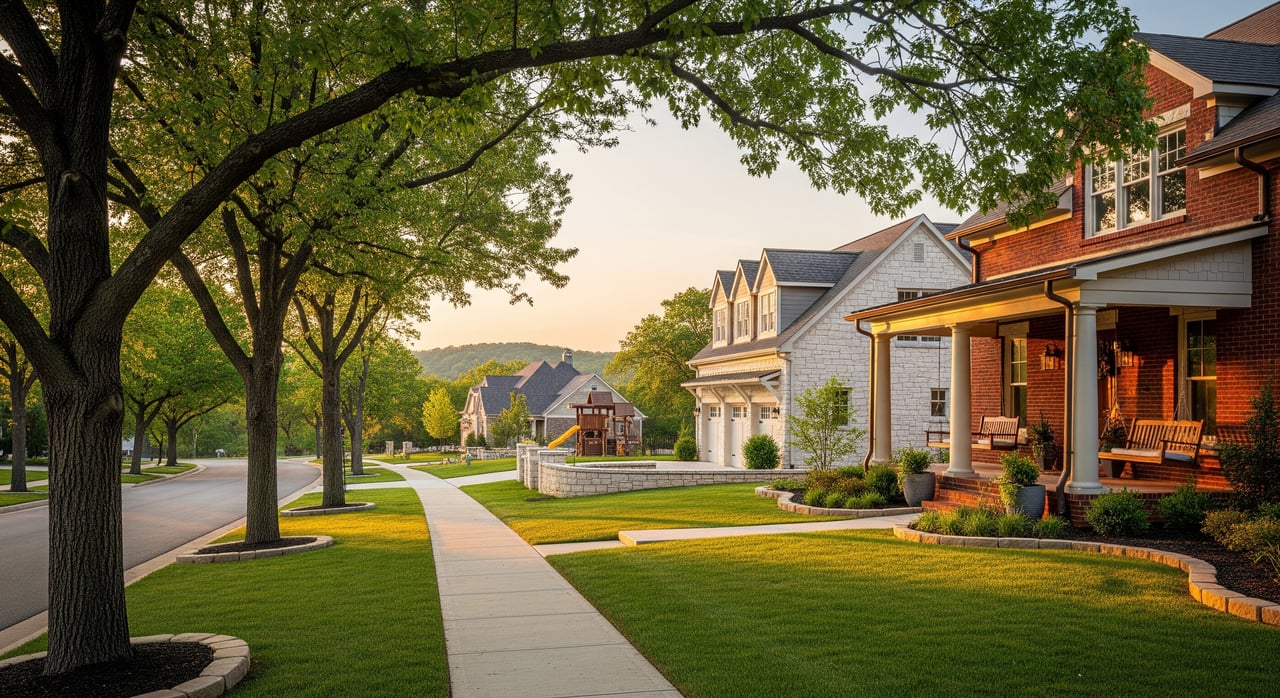
Is your family outgrowing your current place and wondering where to land in Springfield? You have options, from tree‑lined historic streets near downtown to newer subdivisions with bigger yards in the suburbs. The key is matching your school, commute, and lifestyle needs to the right corner of town. This guide breaks down Springfield and nearby Greene County spots so you can focus your search with confidence. Let’s dive in.
Start with what matters most
Before you scroll listings, get clear on your priorities. A little planning helps you avoid costly do‑overs and keeps your search focused.
- Prioritize: commute time, elementary school, lot size, number of bedrooms, and your balance between walkability and yard space. Decide how you feel about HOAs.
- Identify your employer locations and set an acceptable commute radius in peak hours.
- Select school district preferences and pull current elementary boundary maps. Boundaries can shift.
- Decide on new construction or an established home. Consider maintenance, character, and energy efficiency.
- List must‑have family amenities within 5–15 minutes, like a park, pediatrician, and grocery.
- Review local crime maps and neighborhood pages for the streets you are considering.
- Visit neighborhoods at different times of day to get a feel for traffic, noise, and activity. Ask for tax history, HOA covenants, and recent comparable sales on homes you like.
Springfield at a glance for families
Springfield offers a broad mix of homes at price points that tend to be lower than many larger U.S. metros. Inside the city, you will find older bungalows and craftsman homes near downtown, plus mid‑century and newer homes as you move south and west. Nearby suburbs like Republic, Nixa, and Ozark offer new construction and larger lots.
Commutes are often shorter than in bigger cities. Major corridors include I‑44 on the north side, US‑65 on the east side, and the James River Freeway looping the south. Many jobs are clustered around downtown, medical corridors, and outer industrial parks. Choose a neighborhood relative to your main employer to keep drive times manageable.
Families enjoy a strong parks and recreation network. Favorites include Nathanael Greene/Close Memorial Park, Jordan Valley Park, Dickerson Park Zoo, the Springfield Discovery Center, and an expanding system of greenways like Galloway Creek. Youth sports, community programs, and access to Ozarks outdoor destinations round out weekend options.
School choices span Springfield Public Schools inside city limits and separate districts in nearby cities, including Republic R‑III, Nixa R‑II, and Ozark R‑VI. Programs and performance vary by school and grade level. Always verify boundary maps, recent report cards, and program offerings that matter most to your family.
Best neighborhoods for growing families
Below are Springfield micro‑markets and nearby suburbs many families consider, with highlights to help you narrow the field.
Midtown and Central Springfield
If you love character and convenience, central neighborhoods near downtown offer 1920s–1940s bungalows and craftsman homes on tree‑lined streets. You can be close to restaurants, museums, and schools, with quick access to downtown workplaces and the Missouri State University area.
- Family fit: Walkable streets, nearby parks, and short commutes appeal to families who value character over lot size.
- Amenities: Quick access to Jordan Valley Park, the Discovery Center, and a short drive to larger destinations like Nathanael Greene/Close Memorial Park.
- Schools: Served by Springfield Public Schools. Elementary boundaries can be very specific by block, so verify assignments.
- Homes: 2–4 bedroom homes with smaller yards and historic charm. Prices vary widely by condition and exact location.
South and Southwest Springfield
South and southwest neighborhoods mix mid‑century properties with newer subdivisions. Many include cul‑de‑sacs, sidewalks, and neighborhood play spaces. The James River Freeway makes east‑west trips easier for work and errands.
- Family fit: Move‑up buyers who want more bedrooms, larger yards, and nearby conveniences.
- Amenities: Neighborhood parks and playgrounds, suburban shopping, and access to river corridors for weekend play.
- Schools: Largely Springfield Public Schools. Families often compare elementary zones when choosing a street.
- Homes: A wide range of single‑family options, including newer construction and larger floor plans.
West and Northwest Springfield
The west side blends established neighborhoods and newer construction near medical and retail corridors. You will find quieter residential pockets with easy access to shopping and I‑44.
- Family fit: Buyers who want a neighborhood feel without skipping convenience.
- Amenities: Neighborhood parks and trails, plus quick access to groceries and services.
- Schools: Served by Springfield Public Schools, with some areas near district boundaries. Check exact assignments.
- Homes: Midcentury ranches, updated homes, and newer subdivisions.
North Springfield
North Springfield can offer some of the most budget‑friendly options inside the city. Expect a mix of established streets and commercial corridors, with good access to I‑44 for regional travel.
- Family fit: Budget‑sensitive buyers who want to stay in the city and keep commute times reasonable.
- Amenities: Neighborhood parks and city services, with fewer high‑end retail clusters compared to the south and west.
- Schools: Served by Springfield Public Schools. Families sometimes trade a longer drive to certain amenities for a lower purchase price.
- Homes: Entry‑level single‑family homes and some duplexes.
Republic (southwest of Springfield)
Republic is a fast‑growing suburb with many new subdivisions and a community focus. Families often cite school reputation and newer facilities as part of the draw.
- Family fit: Buyers who value newer construction, larger lots, and a suburban pace.
- Commute: About 15–30 minutes into Springfield, depending on your destination.
- Schools: Republic R‑III School District. Verify program options and boundaries that align with your goals.
- Homes: Newer single‑family homes and planned neighborhoods with modern amenities.
Nixa (south of Springfield)
Nixa is a popular choice for families who want a strong community feel and newer neighborhoods. Commute times can be longer for central Springfield jobs, so map your routes to confirm.
- Family fit: Buyers prioritizing schools, community programs, and newer homes.
- Commute: Roughly 20–35 minutes, varying by time of day and destination.
- Schools: Nixa R‑II School District, often rated favorably in regional comparisons. Always confirm the latest data.
- Homes: A range from modest to larger new builds with modern layouts.
Ozark (southeast of Springfield)
Ozark blends a suburban and rural vibe with growing residential development. Many buyers appreciate the small‑town feel with quick access to Springfield via US‑65.
- Family fit: Buyers seeking more space and a quieter setting while staying near city amenities.
- Commute: About 20–40 minutes to Springfield jobs based on exact location.
- Schools: Ozark R‑VI School District. Check boundaries and programs that fit your student’s needs.
- Homes: Single‑family homes on larger lots with a variety of neighborhood styles.
Springfield vs. Republic, Nixa, and Ozark
When you compare city and suburban options, consider the tradeoffs that matter most to your family.
- Commute: Springfield city neighborhoods typically offer shorter drives to downtown and the medical corridors. Suburbs can add time, especially during peak hours.
- Schools: City neighborhoods are served by Springfield Public Schools, while suburbs have separate districts. Performance and programs vary by school, so review recent report cards and boundaries for your specific addresses.
- Homes and lots: Suburbs and many south/southwest subdivisions often provide newer homes and larger lots. Midtown and some central neighborhoods offer historic character and walkability with smaller yards.
- Taxes and costs: Property taxes and levies differ between municipalities and districts. Ask for the tax history on any property you consider and include utilities, HOA fees, and insurance in your budget.
- Resale: Proximity to parks, walkability, and access to well‑regarded schools can support steady demand. Newer construction and neighborhood amenities are factors many buyers value.
A quick match by family profile
Use this guide to start your short list.
- Walkable urban feel: Midtown and Central Springfield near downtown amenities.
- Bigger yard and play space: South and Southwest Springfield, Republic, Nixa, and Ozark.
- Balance of convenience and neighborhood vibe: West and Northwest Springfield.
- Budget‑friendly inside city limits: North Springfield.
- Newer schools and facilities: Suburban districts such as Republic R‑III, Nixa R‑II, and Ozark R‑VI, subject to your program priorities and current data.
How to make a confident decision
Once you have your short list, take a structured approach.
- Tour neighborhoods at different times to observe traffic patterns, noise, and activity.
- Pull current elementary boundaries for each property on your list, and verify special programs that matter to your student.
- Map commute times for both morning and evening peak hours.
- Identify your nearest parks, greenways, and youth sports facilities.
- Review crime maps for the streets you are considering and explore neighborhood association pages.
- Request tax history, HOA covenants, and recent comparable sales from listing agents to assess total cost of ownership.
When you combine clear priorities with on‑the‑ground tours, the right fit tends to stand out.
Ready to explore Springfield’s family‑friendly neighborhoods?
If you want a local guide who understands both city neighborhoods and nearby suburbs, you are in the right place. With deep experience across Springfield, Republic, Nixa, and Ozark, you can compare options with confidence, from walkable historic streets to new construction on larger lots. When you are ready to zero in on the best fit for your family, reach out to Chad Jones for tailored neighborhood recommendations and on‑the‑ground insight.
FAQs
Which side of Springfield has the best schools for families?
- There is no single side that is uniformly best; review Springfield Public Schools and nearby districts like Republic R‑III, Nixa R‑II, and Ozark R‑VI for current boundaries, programs, and recent report cards.
Where can we find larger yards without leaving the region?
- Suburbs such as Republic, Nixa, and Ozark, plus many south and southwest Springfield subdivisions, often offer larger lots and newer homes compared with central neighborhoods.
How long are typical commutes in Springfield?
- Many families report commutes under 30 minutes; pick a neighborhood relative to your main employer and use I‑44, US‑65, and the James River Freeway to plan peak‑hour drive times.
Are there walkable areas for young kids and strollers?
- Some Midtown and central neighborhoods, including areas around parks like Phelps Grove and Rountree, tend to offer more sidewalks and nearby amenities; confirm sidewalk coverage and traffic patterns by visiting at different times.
How do Springfield city neighborhoods compare with Republic, Nixa, and Ozark?
- City neighborhoods may offer shorter commutes and walkability, while suburbs often provide newer homes, larger lots, and separate school districts; weigh taxes, commute time, and school programs when deciding.